
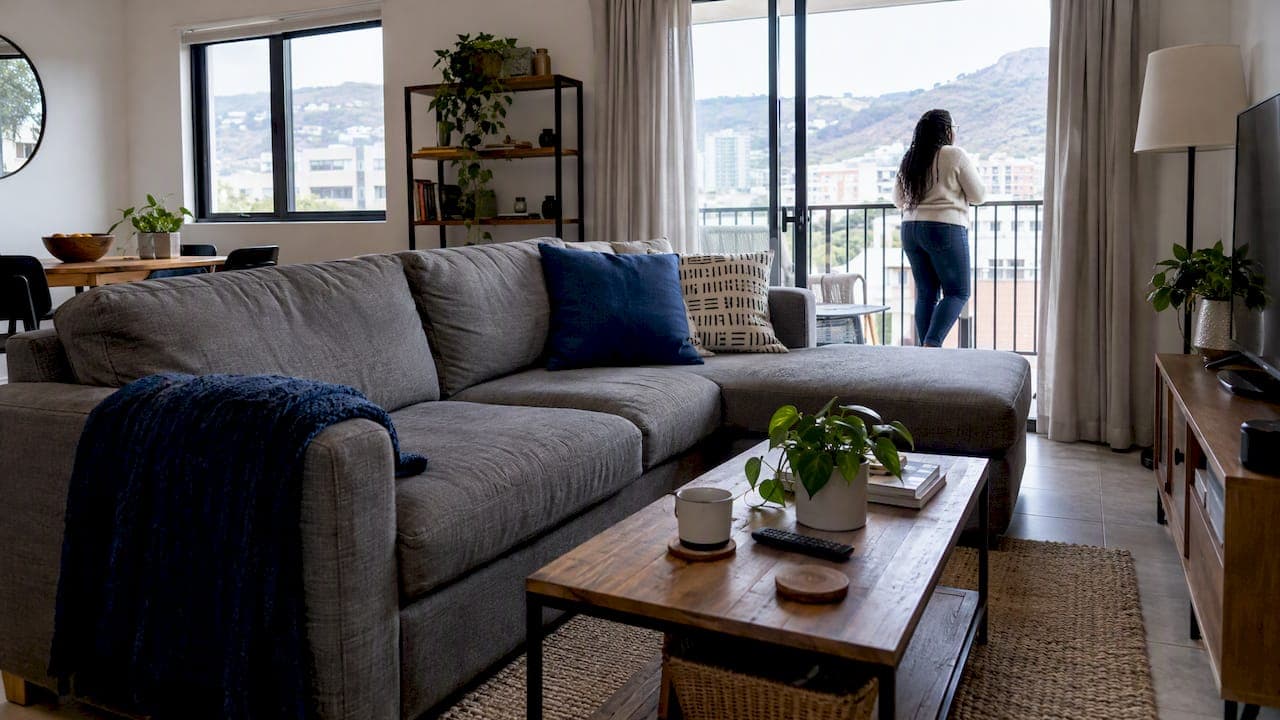
If you plan to stay less than a year, furnished usually works better. If you expect to stay longer than 18 months, unfurnished tends to suit you better, and costs less overall. Landlords should choose based on their target tenant and their appetite for furniture repairs and replacement. You can check verified listings on rental platforms before you decide either way.
TL;DR:
- Furnishing labels are inconsistent: part furnished often means appliances only, while bedding, light fittings, and curtain rails may be absent, so verify the inventory.
- Compare similar units in the same area, because rent gaps vary by city and property type; weigh furniture and moving costs against monthly premiums.
- Both parties should complete a joint move in inspection, sign an itemized inventory, document deposits in writing, and keep photographs for move out.
- Furnished units can earn higher rent, but frequent tenant turnover raises replacement costs; landlords should insure contents and attach dated photos to signed inventories.
Table of Contents
- What do 'furnished', 'part-furnished' and 'unfurnished' actually mean?
- The advantages of renting unfurnished
- The advantages of renting furnished
- Cost and budget considerations: what each option really costs
- Legal and rental obligations both sides should check
- How to decide: a practical checklist before you sign
- Furnished vs unfurnished at a glance
- Why verified listings matter in this decision
- How Darava can help you find the right fit
- FAQ
- Sources
What do 'furnished', 'part-furnished' and 'unfurnished' actually mean?
These terms are not standardised, so two listings with the same label can look very different. A furnished unit usually includes a bed, sofa, dining table, fridge and stove. Part-furnished often means white goods only, with no soft furnishings or bedroom furniture. Unfurnished means an empty unit, sometimes without even light fittings or curtain rails.
- Furnished: beds, sofas, white goods, and sometimes bedding or linen.
- Part-furnished: major appliances only, such as a fridge, stove or washing machine.
- Unfurnished: bare rooms, with fittings and furniture left entirely to you.
Bedding and soft furnishings vary most between listings, so never assume they are included. Check the listing description and the inventory annexure before you sign anything.
The advantages of renting unfurnished
An unfurnished unit usually costs less in monthly rent, and you take on fewer landlord-owned items that could break or need repair. You can personalise the space with your own furniture, which suits anyone staying long enough to make that investment worthwhile. For a landlord, there is less risk of disputes over furniture damage at move-out, since there is no furniture to argue about.
- Lower monthly rent compared with an equivalent furnished unit.
- Fewer items that can break, meaning fewer maintenance calls.
- Freedom to decorate and furnish the space as you like.
- Fewer disputes for landlords over wear and tear on furniture.
The trade-off sits upfront: you cover the cost of furniture and the logistics of moving it in. That cost only makes sense if you are staying long enough to spread it out.
Pro Tip: Work out your likely stay length before you commit. Buying furniture for a six-month lease rarely pays off.
The advantages of renting furnished
Furnished rentals let you move in with a suitcase, which suits anyone relocating for work, studying away from home, or simply not wanting to buy furniture they will discard in a year. Short-stay tenants often value this convenience enough to accept a rent premium, since furnishing a flat from scratch costs more than the extra rent over a short tenancy.
- Fast move-in with no furniture to buy or transport.
- Suits short tenancies, relocations and temporary work assignments.
- Can include extras like appliances, basic kitchenware or Wi-Fi.
- Often attracts a higher achievable rent for the landlord.
For landlords, the higher rent comes with higher turnover and replacement costs, since furniture wears out faster with multiple tenants. An itemised inventory, signed at move-in, protects both sides when something gets damaged. Insurance that covers the furniture itself, not just the structure, matters here too.
Pro Tip: Photograph every major item at move-in and attach the photos to the signed inventory, not just a written list.

Cost and budget considerations: what each option really costs
The sticker price is only part of the comparison. As a tenant, unfurnished means paying for furniture and moving costs upfront, while furnished means paying a recurring rent premium instead. The break-even point depends on how long you stay: the longer the tenancy, the more an unfurnished unit saves you overall, since the rent gap compounds every month while furniture is a one-off cost.
- Tenant upfront costs: furniture, moving company, and setup for an unfurnished unit.
- Landlord upfront costs: purchasing furniture and appliances for a furnished listing.
- Ongoing costs: higher turnover and replacement spend on furnished units.
- Rent gap: varies by city and unit type, so compare similar units directly.
City-level rent bands vary widely, and recent 2026 city-by-city data shows tenant priorities such as backup power increasingly shape what people are willing to pay, alongside whether a unit is furnished. Always compare similar unit types in the same area rather than relying on a single average figure.
Legal and rental obligations both sides should check
Certain obligations apply regardless of furnishing status, and skipping them is where most disputes start.
- Complete a joint pre-move-in inspection and sign an itemised inventory, a step the Rental Housing Act supports for both parties' protection.
- Confirm deposit handling in writing, since the Act sets rules for receipts and permits deductions only for reasonable repair costs.
- Ask about the refund timeline for your deposit once the lease ends and the final inspection is done.
- If the unit is listed for short-term letting, check whether the Tourism Act's Code of Good Practice or local municipal by-laws require host registration.
- Keep photographic records attached to signed annexures for both the move-in and move-out inspections.
How to decide: a practical checklist before you sign
Start with your likely tenancy length, since this drives most of the cost logic. Tenants staying 18 months or longer generally do better financially with unfurnished units, while anyone staying under six to twelve months usually gains more from furnished convenience than they lose in rent premium.
As a tenant, ask these questions before signing:
- Is there a signed, itemised inventory, and does it match what you see in the unit?
- Who pays for appliance repairs or replacement, and how quickly?
- What condition are the white goods in, and do they work during the viewing?
- Is there backup power or an alternative during loadshedding?
- What is the deposit policy, and what is the usual refund process?
As a landlord, work through your own checklist:
- Who is your target tenant: short-stay professional, student or long-term family?
- Can you budget for furniture replacement every few years if you furnish the unit?
- Does your insurance cover the furniture itself, not just the building?
- Is your deposit and inspection process documented and consistent across tenants?
Pro Tip: Match your furnishing decision to your typical tenant's stay length rather than guessing what might attract more applicants.
Furnished vs unfurnished at a glance
The core trade-off is rent against upfront cost, and maintenance risk against flexibility.
- Furnished: higher rent, low upfront tenant cost, suits stays under a year.
- Unfurnished: lower rent, higher upfront tenant cost, suits stays over 18 months.
- Furnished carries more landlord maintenance and replacement risk.
- Unfurnished carries less paperwork around furniture condition and disputes.
| Attribute | Furnished | Unfurnished |
|---|---|---|
| Typical rent | Higher | Lower |
| Tenant upfront cost | Low | Higher (furniture, moving) |
| Best suited to | Stays under 6 to 12 months | Stays over 18 months |
| Landlord maintenance risk | Higher (furniture wear) | Lower |
| Inventory paperwork needed | Detailed, itemised | Minimal |
Always verify these specifics against the actual listing, since furnishing levels and inclusions vary between properties even within the same building.
Why verified listings matter in this decision
Furnished or unfurnished, the bigger risk is often the listing itself rather than the furniture inside it. Verification cuts down time wasted viewing properties that do not exist or applicants who are not genuine, and secure messaging keeps your personal details away from strangers during that process.
— Justknow
How Darava can help you find the right fit
Whichever way you lean, finding a listing you can trust matters as much as the furnishing itself. Some rental marketplaces verify both tenants and landlords, reducing the time you spend chasing fake listings or unreliable applicants.

Secure in-platform messaging can keep your contact details private while you ask about inventories, deposits or move-in dates, and structured viewing requests help ensure you only travel to see properties worth seeing. If you are weighing up furnished against unfurnished, start by browsing verified listings on Darava and message landlords directly through the platform.
FAQ
Is it better to let furnished or unfurnished?
It depends on your target tenant: furnished suits short-term lets and commands higher rent, while unfurnished suits tenants staying 18 months or longer and carries lower furniture maintenance risk for you as landlord. Base the decision on your typical tenant profile rather than a general preference.
What does furnished and unfurnished mean?
Furnished means the unit includes furniture and often appliances, while unfurnished means an empty unit with none of these items provided. Part-furnished sits between the two, usually with appliances but no bedroom or lounge furniture.
Does fully furnished include bedding?
Bedding and linen inclusion varies significantly between listings, so it is never a safe assumption. Always check the specific listing description and the signed inventory annexure before you move in.
What are the pros and cons of furnished?
Furnished units let you move in quickly without buying furniture, which suits short stays, but they usually cost more in monthly rent and carry higher maintenance risk for the landlord. An itemised inventory, signed by both parties, helps prevent disputes over furniture condition at move-out.